
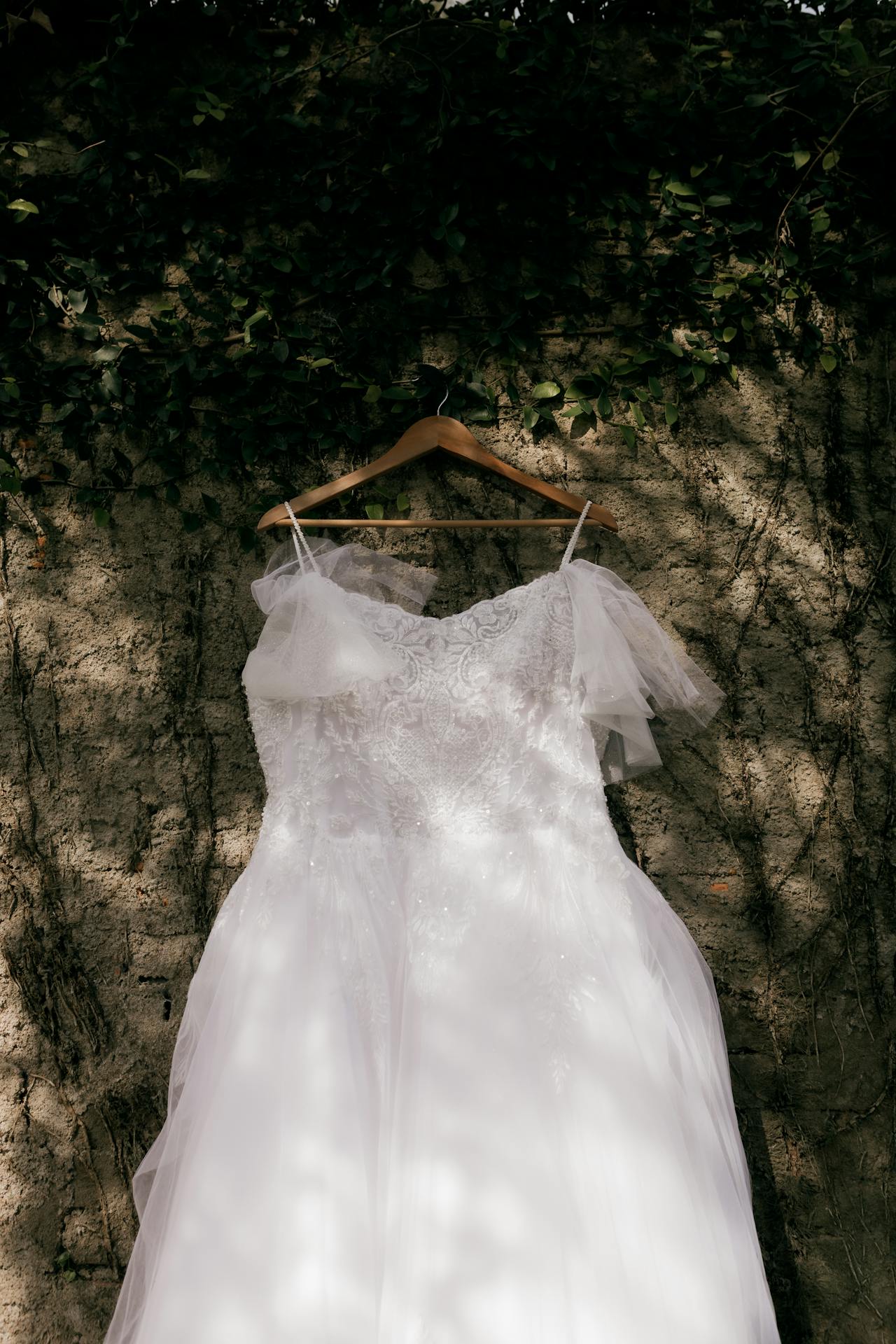
Wedding dresses have always reflected more than just personal style. They tell a larger story about culture, tradition, economics, and fashion trends across different eras. What brides wear today is the result of centuries of evolving design choices, shifting social expectations, and changes in textile availability.
For brides exploring modern styles and inspiration, you can view current collections and design ideas here: wedding dresses. It offers a helpful look at contemporary bridal fashion and how today’s trends continue to evolve.
Early Wedding Attire Was Not Always White
Before the modern white wedding dress became standard, brides did not follow a single unified tradition. In many cultures, wedding attire was simply the best dress a bride owned, often chosen for practicality rather than symbolism.
Historically, brides wore:
- Colored dresses in reds, blues, or golds
- Garments representing family status or wealth
- Dresses that could be reused after the ceremony
- Traditional cultural clothing specific to their region
At the time, wedding clothing was more about social identity and less about a standardized bridal aesthetic.
The Influence of Royal Weddings
One of the most significant turning points in wedding dress history came from royal influence. When Queen Victoria chose to wear a white gown for her wedding in 1840, it helped popularize the style across Europe and later in the Western world.
Her dress choice was notable because:
- White was not yet the dominant bridal color
- It symbolized elegance and refinement rather than tradition
- It showcased fine lace and craftsmanship
- It influenced upper class fashion trends
As images of her wedding spread, white dresses began to gain popularity among brides who wanted to emulate royal style.
The Rise of White as a Symbol
Over time, white became associated with purity, formality, and celebration. However, this symbolism was not universal or fixed. It gradually developed through cultural interpretation and fashion repetition rather than being an original rule.
As photography became more common, white dresses also stood out visually in wedding portraits, reinforcing their popularity.
How Industry and Fashion Shaped Bridal Trends
The growth of the fashion and textile industries played a major role in standardizing wedding dress styles. As manufacturing improved, more women had access to dedicated bridal gowns rather than simply reusing formal dresses.
Key developments included:
- Expansion of ready made fashion markets
- Increased availability of lace and fine fabrics
- Growth of bridal boutiques and specialized designers
- Seasonal fashion trends influencing bridal collections
This shift turned wedding dresses into a dedicated fashion category rather than just a personal outfit choice.
Mid 20th Century Bridal Fashion
By the mid 1900s, especially after World War II, wedding dresses became more structured around the idea of formal bridal wear. White gowns were widely accepted as the norm in Western culture.
Popular styles included:
- Full skirts with fitted bodices
- Long veils and gloves
- Satin and tulle fabrics
- Highly formal silhouettes inspired by Hollywood fashion
Media, film, and celebrity weddings further reinforced these trends.
Modern Wedding Dress Trends
Today, wedding fashion is far more diverse than in previous generations. While white remains popular, it is no longer the only option. Modern brides are choosing styles based on personality, setting, and cultural influence rather than strict tradition.
Current trends include:
- Minimalist and sleek silhouettes
- Non traditional colors like champagne, blush, or even bold tones
- Convertible and multi look dresses
- Sustainable and ethically made gowns
- Vintage inspired designs with modern tailoring
This shift reflects a broader movement toward personalization in weddings overall.
Influence of Social Media and Global Fashion
Social media has significantly changed how wedding dress trends spread. Brides now draw inspiration from global designers, influencers, and real weddings shared online.
This has led to:
- Faster trend cycles
- More international style blending
- Increased demand for unique custom designs
- Greater awareness of alternative bridal aesthetics
Fashion is no longer limited by geography or tradition in the same way it once was.
The Future of Wedding Dress Design
Looking ahead, wedding dress trends are likely to continue moving toward personalization and flexibility. Brides are prioritizing comfort, individuality, and sustainability as much as appearance.
Future directions may include:
- More eco conscious fabrics
- Technology integrated design elements
- Modular dresses with interchangeable pieces
- Even greater variety in color and structure
The wedding dress is no longer just a tradition, but a reflection of personal identity.
Final Thoughts
Wedding dress trends have evolved significantly over time, shaped by culture, royalty, fashion industries, and modern digital influence. While white gowns remain iconic, today’s bridal fashion is defined more by choice than tradition.
Understanding this evolution helps explain why modern wedding dresses are so diverse and why personal expression has become the most important trend of all.