

How Wedding Dress Trends Have Evolved Over Time
Wedding dresses have always reflected more than just personal style. They tell a larger story about culture, tradition, economics, and fashion trends across different eras. What brides wear today is the result of centuries of evolving design choices, shifting social expectations, and changes in textile availability.
For brides exploring modern styles and inspiration, you can view current collections and design ideas here: wedding dresses. It offers a helpful look at contemporary bridal fashion and how today’s trends continue to evolve.
Early Wedding Attire Was Not Always White
Before the modern white wedding dress became standard, brides did not follow a single unified tradition. In many cultures, wedding attire was simply the best dress a bride owned, often chosen for practicality rather than symbolism.
Historically, brides wore:
- Colored dresses in reds, blues, or golds
- Garments representing family status or wealth
- Dresses that could be reused after the ceremony
- Traditional cultural clothing specific to their region
At the time, wedding clothing was more about social identity and less about a standardized bridal aesthetic.
The Influence of Royal Weddings
One of the most significant turning points in wedding dress history came from royal influence. When Queen Victoria chose to wear a white gown for her wedding in 1840, it helped popularize the style across Europe and later in the Western world.
Her dress choice was notable because:
- White was not yet the dominant bridal color
- It symbolized elegance and refinement rather than tradition
- It showcased fine lace and craftsmanship
- It influenced upper
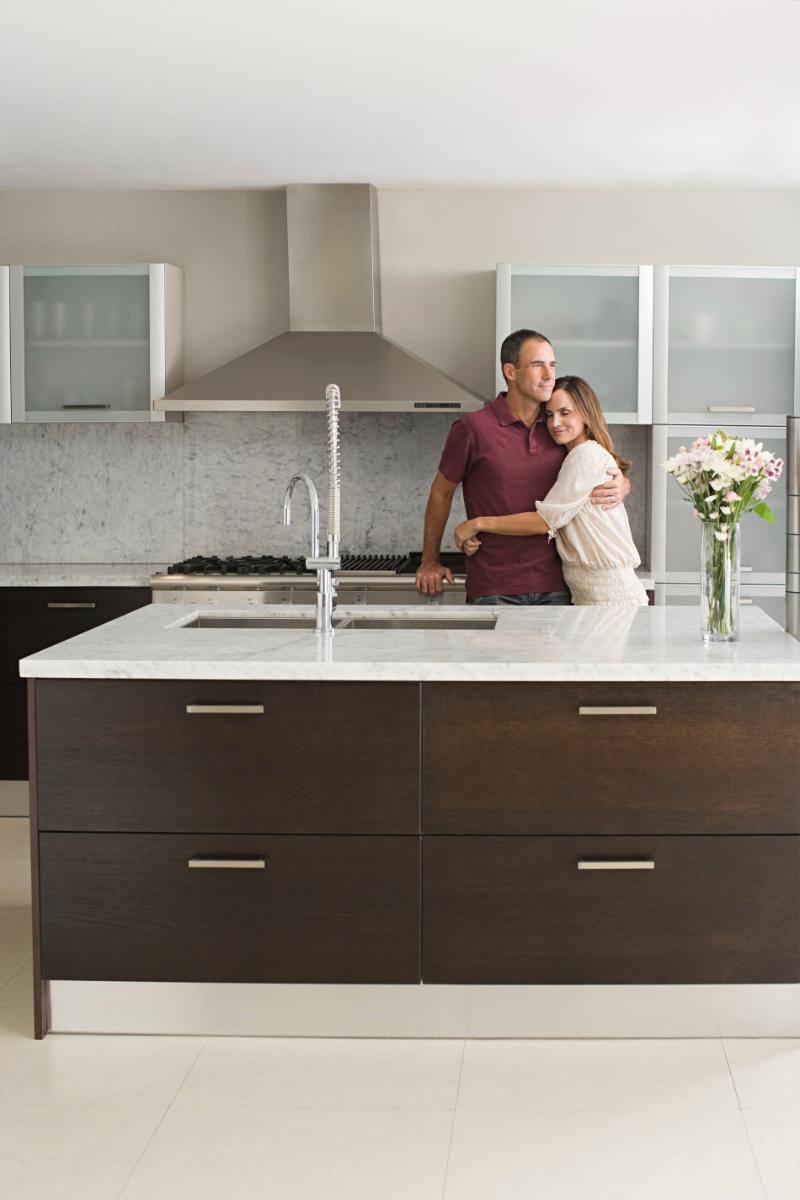
Remodeling for Returns: How Home Remodeling Pays Off Like an Investment
When investors think about building wealth, they often look to stocks, bonds, or rental properties. But for homeowners, there’s another high-potential investment sitting right in front of them: their own house. Strategic home remodeling in Carlsbad can deliver returns that rival — and sometimes exceed — traditional investments. With the right improvements, you not only enjoy a better quality of life but also increase your home’s equity, attract future buyers, and reduce long-term expenses.
Home Equity as an Asset Class
If you view your home as more than a place to live — as a key financial asset — remodeling becomes a powerful wealth-building tool. Every dollar spent on targeted improvements has the potential to increase market value, much like reinvesting profits back into a portfolio.
In Carlsbad, where real estate demand is consistently strong, homeowners who remodel smartly often see substantial gains. Updated kitchens, modern bathrooms, and well-designed additions make homes more desirable and allow sellers to command higher prices in a competitive market.
ROI: Remodeling vs. Traditional Investments
Home remodeling provides a tangible form of return on investment (ROI). According to industry data:
-
Kitchen remodels can return up to 80% of costs at resale.
-
Bathroom remodels often recoup 60–70%.
-
Room additions or ADUs (Accessory Dwelling Units) can generate ongoing rental income, functioning like a cash-flowing asset.
Compared to volatile markets, remodeling offers both immediate lifestyle improvements and long-term financial rewards. It’s diversification for homeowners — a way to spread investments across both liquid assets and real property.